
Introduction
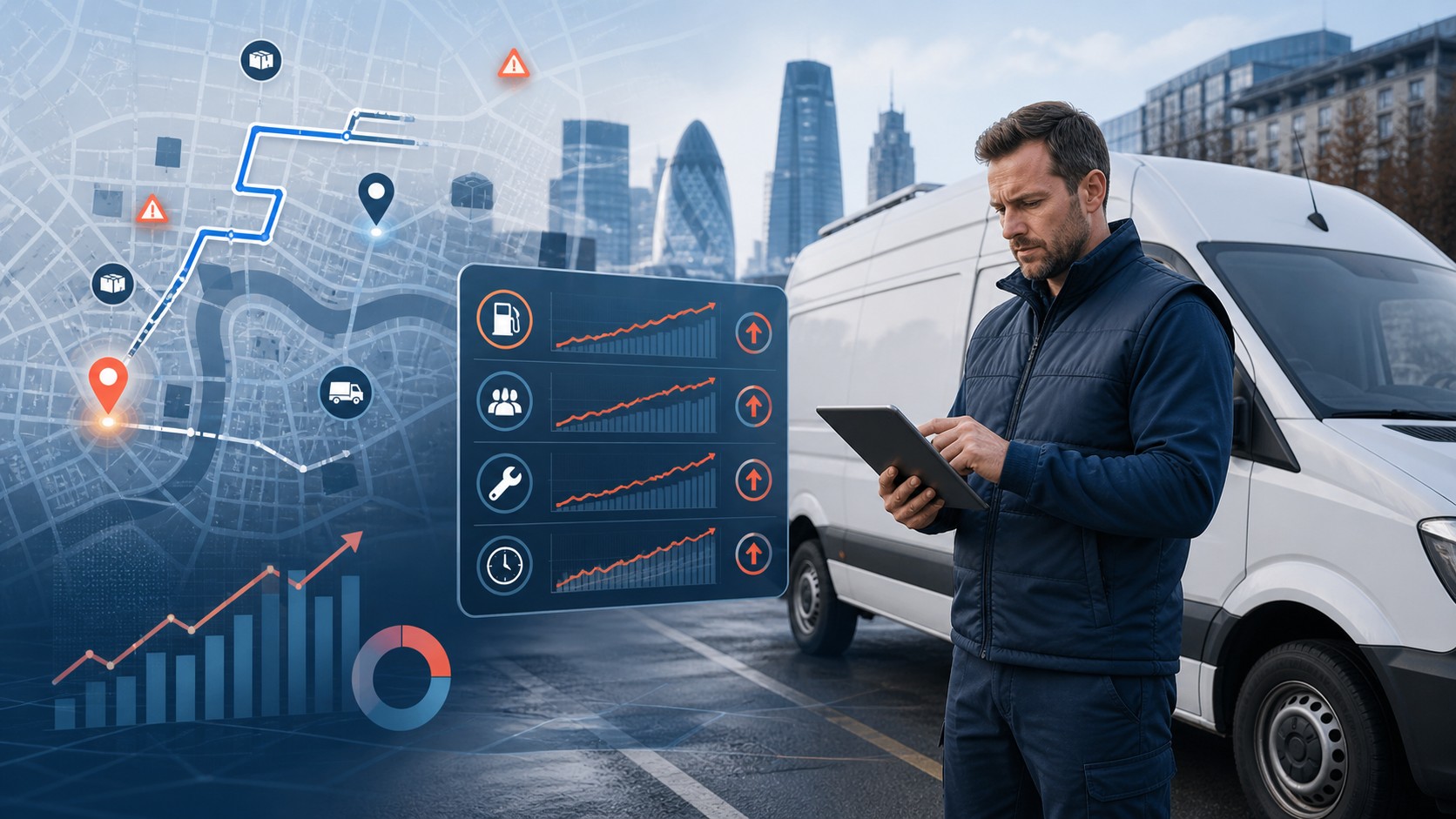
Small courier businesses are being squeezed from both sides. On one side, operating costs are rising. Fuel, insurance, labour, vehicles, maintenance, congestion, waiting time and admin all affect the real cost of each job. On the other side, customers still expect fast, clear and affordable delivery. For many courier businesses, the pressure shows up most clearly in the last mile: the final stage of delivery from a depot, warehouse, shop, office or courier base to the customer.
Industry data suggests that last-mile delivery can account for more than half of total shipping costs, while Capgemini describes it as one of the fastest-growing, most expensive and most complex parts of the supply chain. [1] [2]
The problem is not just fuel. It is the combination of distance, driver time, waiting, failed deliveries, customer communication, admin and inconsistent quoting. If those costs are not built into the price properly, margin can disappear quietly.
TLDR
- Last-mile delivery is often one of the most expensive parts of fulfilment because it involves individual journeys, customer-specific requirements and unpredictable delays. [1]
- Cost pressure comes from more than mileage: labour, driver time, traffic, waiting time, fuel, vehicle type, emissions charges and service level all affect costs. [1] [3]
- Small courier businesses can lose margin when quotes are calculated manually and inconsistently.
- A good courier pricing model should include base charges, route distance, minimum fees, waiting time, zones, surcharges and failed delivery rules.
- Manual quoting is still useful for complex jobs, but standard delivery enquiries can often be handled faster with automated quote forms.
- A courier website can do more than advertise services. It can collect delivery details, calculate prices, qualify enquiries and reduce back-and-forth.
What Is Last-Mile Delivery?
Last-mile delivery is the final stage of moving goods to the customer. For a courier business, this might include delivering legal documents, taking ecommerce orders from a local warehouse to customers, collecting and delivering furniture or large items, handling same-day deliveries for local businesses, or completing specialist deliveries that require a specific vehicle or time window.
The last mile does not literally mean one mile. It means the final handover stage where the delivery reaches the recipient. This stage is often difficult to price because it is affected by real-world details: traffic, access, waiting time, parking, delivery instructions, customer availability and the number of deliveries that can be completed in one area.
Why Is Last-Mile Delivery So Expensive?
Last-mile delivery is expensive because it is highly variable. A long motorway journey between hubs may be predictable. A local delivery route with multiple stops, waiting time, parking problems and customer availability issues is much harder to control.
1. Driver Time
Driver time is usually the biggest cost. SmartRoutes reports labour as 50–60% of last-mile costs. [1] Even when a job is short in mileage, it may still take time to collect, load, travel through traffic, find parking, wait at reception and obtain proof of delivery.
2. Fuel, Maintenance and Vehicles
Fuel, maintenance and vehicle costs also rise when routes are inefficient. SmartRoutes lists fuel at roughly 10–25% of cost and maintenance at around 20%. [1] A courier business also has to account for vehicle depreciation, tyres, repairs, insurance, MOTs and downtime when a van is off the road.
3. Failed Deliveries
Failed deliveries are particularly damaging because they create extra work without creating a new sale. Industry failure rates can range from 8–20%, with address errors a major cause of failed deliveries. [1] A second attempt may involve another journey, another customer communication thread, more admin and a potential complaint.
4. Customer Expectations
Customers increasingly expect fast delivery, accurate time windows, tracking and clear communication. SmartRoutes reports that 91% of consumers actively track packages, while same-day options are now expected by many online shoppers. [1] Faster service can be profitable, but only when it is priced correctly.
5. Congestion and Emissions Charges
UK city charges can have a direct impact on job profitability. Courier Exchange notes that a non-compliant van entering London may face a £15 congestion charge plus a £12.50 ULEZ charge, creating a £27.50 daily cost before fuel and labour are considered. [3] Other UK cities operate Clean Air Zones or Low Emission Zones, so operators need to check local rules and build relevant fees into quotes.
Where Courier Margins Are Often Lost
Many margin leaks happen because they are small enough to ignore on a single job, but large enough to matter over a month. Common examples include:
- Phone and email time spent clarifying job details.
- Quotes given quickly without checking postcode, distance or zone charges.
- Waiting time at collection or delivery points.
- Return journeys after failed deliveries.
- Parking, tolls, ferries, Clean Air Zone charges and ULEZ fees.
- Extra loading time for heavy or awkward items.
- Manual rework caused by incomplete addresses or customer instructions.
When these costs are not captured in the original quote, the business absorbs them. This is why a clear pricing model is not only an admin improvement; it is a margin protection tool.
How Small Courier Businesses Can Build a More Reliable Pricing Model
A strong pricing model should be simple enough to explain to customers but detailed enough to protect the business. The aim is not to make quotes complicated. The aim is to stop missing the costs that make the job unprofitable.
1. Base charge: A minimum fee that covers admin, vehicle start-up and the first part of the journey.
2. Distance charge: A per-mile or postcode-zone charge based on collection and delivery locations.
3. Minimum job fee: A floor price for short jobs that would otherwise underpay the driver and business.
4. Weight and size: Surcharges for bulky, heavy or specialist items.
5. Service level: Premium pricing for same-day, urgent, evening or weekend delivery.
6. Waiting time: A charge after a reasonable grace period at collection or delivery.
7. Additional stops: Pricing for multi-drop work that accounts for extra stops and route complexity.
8. Zone charges: Explicit handling of ULEZ, CAZ, congestion, tolls or ferry costs.
9. Failed delivery rules: Clear terms for redelivery, return to sender and incorrect address details.
A Practical Example
Imagine a courier quotes a job based only on mileage. The distance looks short, so the price seems reasonable. But the actual job includes a city-centre delivery, parking difficulty, ten minutes of waiting time and a possible emissions charge. The job may still look profitable on paper, but the real-world cost has changed.
A better quote would include the base charge, mileage, any relevant city charge, a waiting time policy and a minimum fee. This makes the price more accurate and reduces the risk of the customer being surprised later.
Ways to Reduce Last-Mile Delivery Costs
Not every rising cost can be avoided, but several can be controlled. The most useful actions for small courier firms are practical rather than futuristic.
1. Use route planning and optimisation: Modern routing tools can reduce wasted miles, missed time windows and inefficient routes. Wodely reports that AI-powered routing can reduce mileage and fuel use by 15–40%. [4]
2. Collect better job information upfront: Ask for full addresses, contact numbers, item dimensions, access notes and timing constraints before committing to a price.
3. Charge properly for waiting time: A clear waiting time policy protects drivers from losing paid time at slow collections or deliveries.
4. Review prices regularly: Fuel, wages, insurance and city charges change. Your pricing model should be reviewed often enough to keep pace.
5. Use low-emission vehicles where practical: In dense urban areas, electric vans, cargo bikes or compliant vehicles may reduce zone charges and improve access. [3]
6. Reduce failed deliveries: Address validation, customer notifications and clear delivery instructions reduce repeat journeys and support costs. [1]
Why the Quoting Process Matters
A courier business can have a good pricing model and still lose money if the quoting process is inconsistent. Manual quotes depend on who answers the phone, how busy they are, what information the customer provides and whether the person quoting remembers every surcharge.
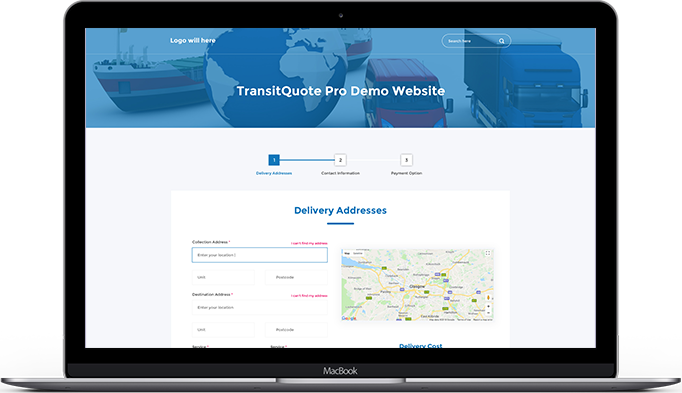
This is where an automated online quote form can help. A website quote calculator can ask customers for the information needed to calculate a price: pickup postcode, delivery postcode, item details, service level, optional extras and contact details. The price can then be calculated using the same rules every time.
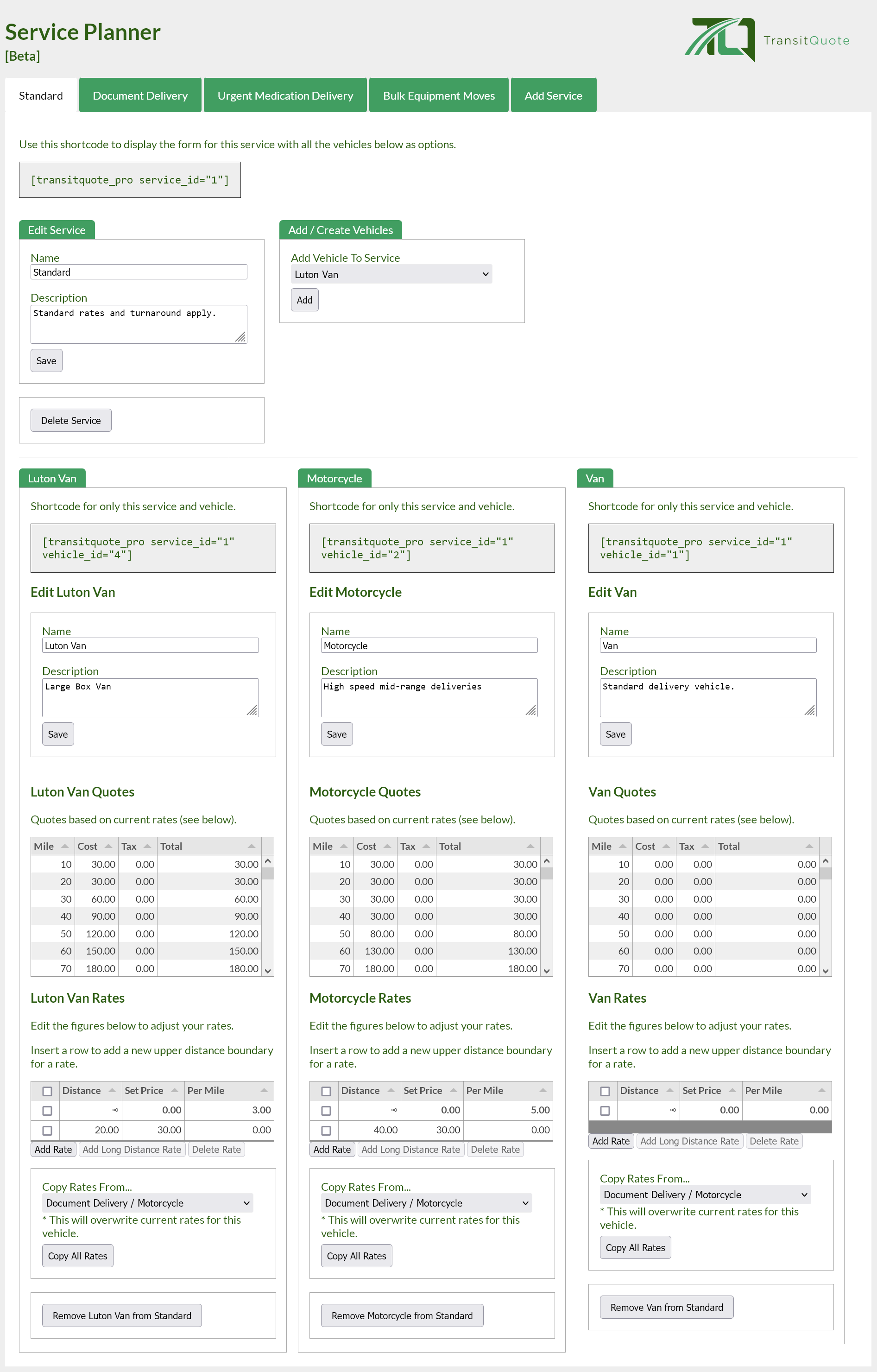
For businesses using WordPress, TransitQuote’s courier quote calculator for WordPress is designed to help courier and delivery companies add automated quote forms to their own websites. [5] The goal is not to remove human judgement from every job. It is to automate standard enquiries so staff can spend more time on complex work and customer service.
Conclusion
Last-mile delivery costs are rising because the final stage of delivery is labour-intensive, unpredictable and increasingly shaped by customer expectations and regulation. Small courier businesses cannot control every external pressure, but they can control how accurately they quote and how clearly they communicate costs.
The businesses best placed to protect their margins will be those that understand their real cost drivers, build those drivers into a reliable pricing model and use their website to handle simple quotes consistently. That combination makes pricing clearer for customers and more sustainable for the courier business.
Sources
[1] SmartRoutes: Last-Mile Delivery Statistics: The Complete Data Resource for 2026
[2] Capgemini: Navigating the complex web of last-mile deliveries
[3] Courier Exchange: The courier’s guide to congestion charges and ULEZ in 2025
[4] Wodely: Last-Mile Delivery Trends to Watch in 2026: AI, Sustainability, and Cost Control
[5] TransitQuote: Courier Quote Calculator for WordPress







Our plugin is updated and all working perfectly now.
Thanks so much for your excellent service!